
You buy a gorgeous gold necklace.
It gleams perfectly in the mirror, elevates every outfit, and quickly becomes your favourite accessory. But after a few months, something changes. The colour isn’t as vibrant. The shine kind of fades away. Suddenly you catch yourself reaching for other pieces instead.
Now imagine another necklace. It handles busy workdays, sweaty commutes, weekend hangouts, and even the occasional accidental water splash. Months later, it still looks almost the same as the day you bought it.
The difference often isn’t how expensive the jewellery was. It’s what’s underneath, in a way, that matters more than people think.
Understanding the difference between gold-plated and stainless-steel jewellery can help you avoid wasting money, time, and getting stuck with too many disappointing purchases.
The real question isn’t “which looks better?”
Most shoppers end up comparing jewellery mostly by how it looks.
That makes sense. Jewellery is, well, made to be noticed.
Here’s the surprising part: gold-plated and stainless-steel jewellery can look very similar when they’re brand new. If you put them side by side, many people wouldn’t really spot a difference.
But the bigger question is this:
How will it look six months from now?
That’s where the materials start telling two totally different stories.
Why gold-plated jewellery changes, over time
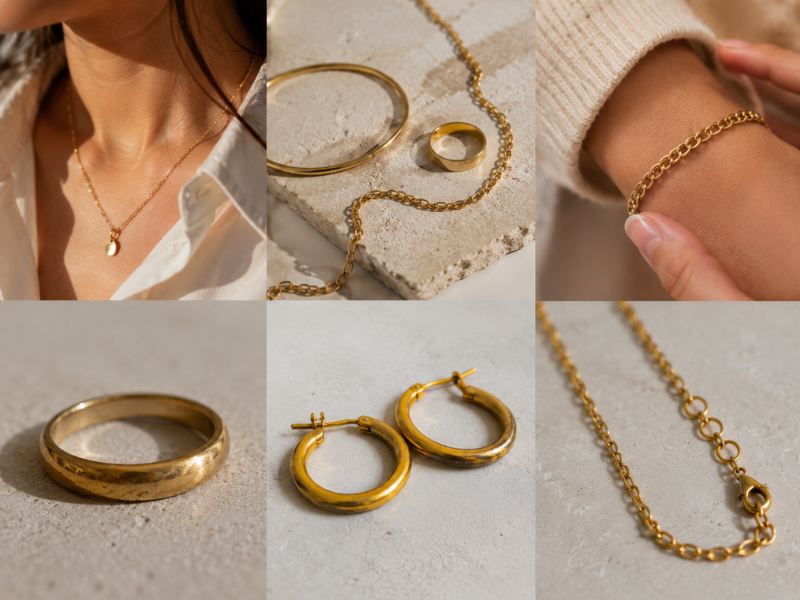
Gold-plated jewellery gets picked a lot because it has that shiny, luxurious look of gold, but somehow costs far less, you know, that “why not” feeling.
Still, the golden surface you’re seeing is basically just the first chapter.
There’s a thin layer of gold sitting on top of another metal underneath. And every time the piece rubs against your skin, or catches on clothing, handbag straps, or other surfaces, tiny amounts of that gold layer keep slowly fading away.
It doesn’t happen in a dramatic, overnight kind of way.
That’s why many people swear they found the perfect item at the beginning.
Then the changes creep in, quietly, until one day it just doesn’t look the same as when it arrived, not really.
The DAY-TO-DAY problems jewellery faces
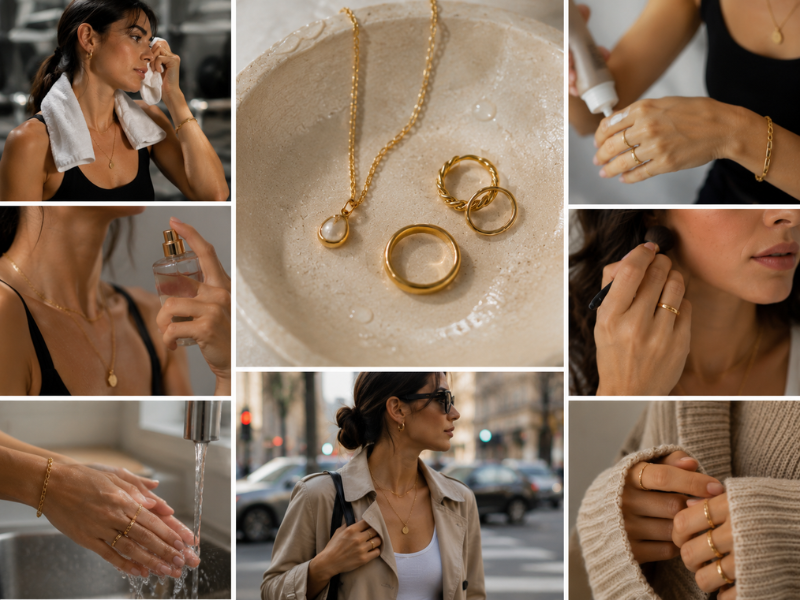
Think about what your jewellery meets during a normal routine
- sweat
- humidity
- perfume
- sunscreen
- makeup
- hand washing
- air pollution
- friction from clothing
Even if you’re careful, it’s still in constant contact with its surroundings.
Some materials handle this kind of treatment well, like they’re built for it.
Other materials don’t, at all.
So, you can end up with two pieces that look almost identical at first, but later they age in totally different directions, somehow.
Stainless steel wasn’t made for fashion first
One big reason stainless steel holds up so well is that it wasn’t originally created as jewellery material in the first place.
Later, fashion brands noticed that these same strengths work perfectly for adornments.
So basically, the outcome is, a material that deals with everyday life much better than many classic fashion jewellery metals.
The growth of low-maintenance jewellery
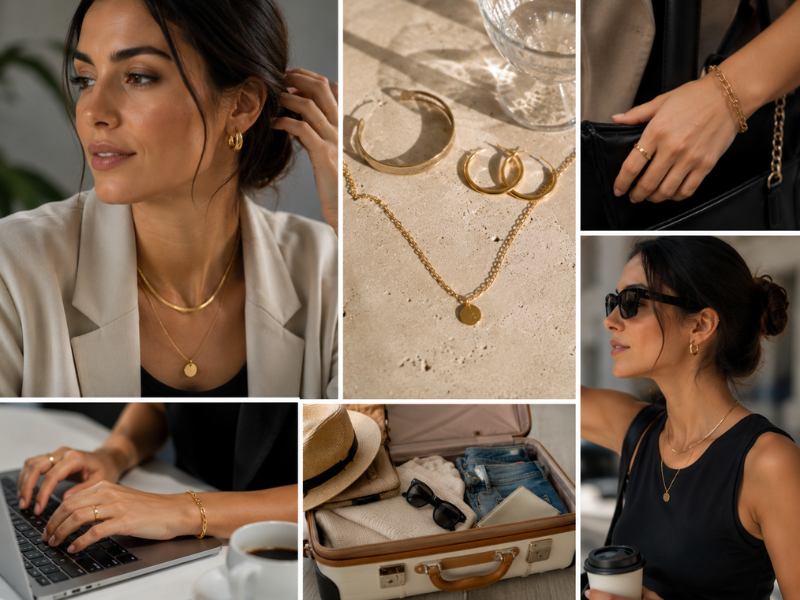
People’s tastes are shifting.
A few years back, lots of folks accepted that jewellery needed constant attention, like ongoing care was just part of it.
Today, shoppers want accessories that fit into their lifestyles not accessories that require lifestyles built around them, you know.
They want pieces they can war to work, brunch, travel, and social events, without worrying about damage, or that annoying dulling later.
This kind of change is why anti-tarnish jewellery has become one of the fastest-growing categories in fashion accessories.
Why Modern Women Are Choosing Durability
Fashion trends come and go.
Reliability never, really goes out of style.
So many women now build jewellery collections around versatile pieces they can wear again and again rather than constantly swapping out lower-quality alternatives.
Durable jewellery doesn’t just help with money.
It adds consistency, in a way that feels steady.
You know your favourite necklace will still look good next month.
You trust your earrings to keep their finish.
And you stop treating jewellery like it’s something fragile.
Is Gold-Plated Jewellery Still Worth Buying?
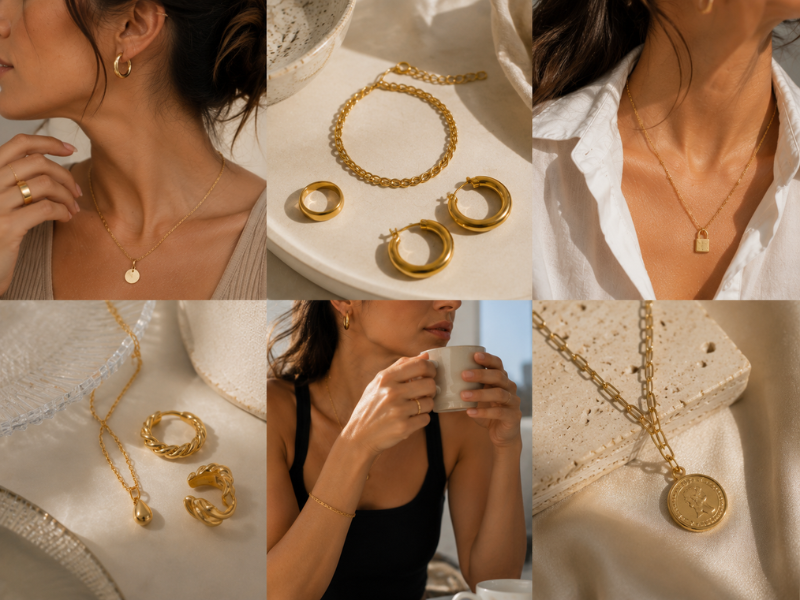
Yes, absolutely.
Gold-plated jewellery is still a great option for trend-forward styles, special occasions, and those “let me try something new” fashion moments.
If you like changing your look fairly often, gold-plated pieces let you explore new designs without spending like you’re going all-in.
The real thing is understanding what you’re buying.
Gold-plated jewellery delivers beauty first.
Stainless steel delivers longevity first.
Neither option is wrong, they just do different jobs.
They serve different purposes, simple as that.
The Best of Both Worlds
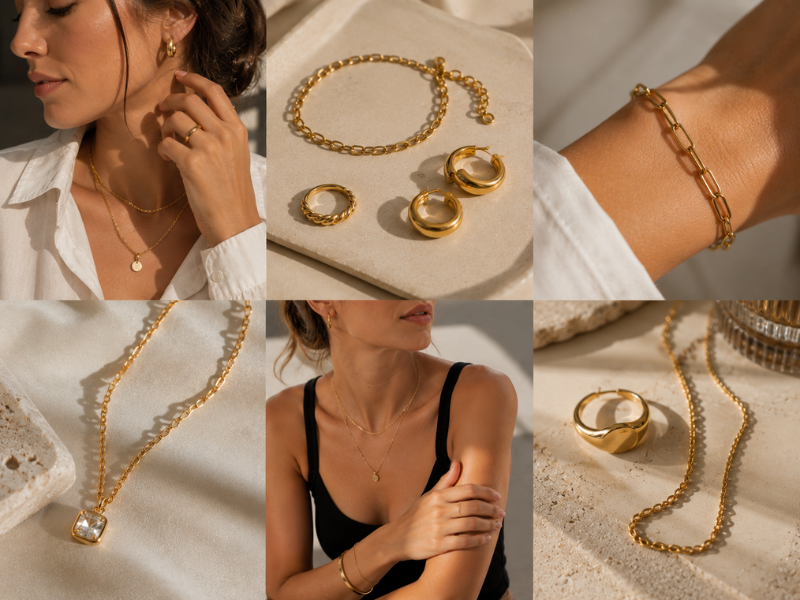
Many modern jewellery brands have started mixing these materials.
Gold-plated stainless-steel jewellery gives you the gold-like appearance alongside the durability of stainless steel.
And for shoppers chasing everyday elegance, this combo often hits that sweet spot between how it looks and how it performs.
It’s kind of one reason anti-tarnish collections keep getting more attention, among women who want jewellery that works as hard as they do, not just sitting pretty.
Final Thoughts
So, the whole gold-plated versus stainless steel discussion, it isn’t really about which material is “best” in some perfect sense.
It’s more about what matters to you. Like, truly.
If you’re hunting for pieces that feel trend-forward, plus that polished luxurious look, but still want to pay a fair amount, gold-plated jewellery might be just the right fit.
But if you need jewellery that keeps going through daily stuff, and still holds onto its look, stainless steel is hard to top.
And if you want a cleaner style, without babying it every single day, gold-plated stainless-steel jewellery gives a modern kind of answer. It’s built for real life wear, not some imaginary “only for occasions” routine.
Because gorgeous jewellery should not only look great on the day you buy it, it should keep making you
smile, even after months, when you’re already used to wearing it.
Frequently Asked Questions (FAQs)
1. Does gold-plated jewellery last the same time as stainless steel jewellery?
Not really, gold-plated jewellery usually doesn’t last as long as stainless steel. That thin gold layer can rub off little by little, and then yeah, it starts looking different. Stainless steel jewellery is generally a bit tougher, so it stands up to everyday wear more comfortably.
2. What’s better for daily use, gold-plated or stainless-steel jewellery?
For most people, stainless steel jewellery is the better option for day to day. It resists scuffs, tarnishing, moisture, and corrosion really well. Gold-plated pieces can look amazing at first, but they often need more careful handling to keep their shine going.
3. Can gold-plated stainless steel jewellery tarnish?
Yes, it can tarnish, or at least lose its “fresh” appearance over time. Higher quality gold-plated stainless steel is more resistant than gold-plated jewellery built on brass or copper foundations, but the gold finish can slowly fade if you wear it a lot.
4. Is stainless steel jewellery safe if you have sensitive skin?
Usually yes. Most stainless-steel jewellery is hypoallergenic, so it is gentler on sensitive skin. It is also less prone to cause irritation compared with some costume jewellery that mixes metals.
5. How do I help my gold-plated jewellery last longer?
Keep it away from water, perfume, lotions, and strong chemicals, as much as possible. After you wear it, store it somewhere dry, and wipe it carefully with a soft cloth. That small routine, honestly, helps quite a lot.
6. Is stainless steel jewellery more expensive than gold-plated jewellery?
Not always. The price depends on style and overall quality, though stainless-steel jewellery often ends up being better value long term because it’s durable and needs less maintenance.